







Different Types of Elevators: Complete Guide to Elevator Types | KONE India

Different Types of Elevators: Complete Guide to Elevator Types | KONE India

Elevators have become an integral part of modern buildings, supporting smooth and efficient movement across residential, commercial, and public spaces. From compact home lifts to high-speed systems serving skyscrapers, today's elevators are designed to meet a wide range of building requirements.

Choosing the right elevator depends on factors such as building height, passenger traffic, available space, and long-term operational needs. Understanding the different technologies and applications can help property owners, architects, and developers make informed decisions.

Types of Elevator Technologies

Traction Elevators

A traction elevator uses ropes or belts connected to a motor and counterweight system to move the elevator car. It is the most widely used technology in modern buildings because it offers high speeds, energy efficiency, and smooth operation.

Traction elevators are commonly installed in commercial towers, hotels, residential high-rises, and mixed-use developments. Many modern traction systems also use machine room-less technology, making them suitable for projects where space optimisation is important.

MRL Elevators

2020-07-20702072-1:720x720%281-1%29

An MRL (Machine Room-Less) elevator is a type of traction elevator that eliminates the need for a separate machine room. The compact drive equipment is installed within the elevator shaft, helping maximise usable floor space.

MRL elevators have become increasingly popular in residential and commercial buildings because they:

     Save valuable building space

     Improve energy efficiency

     Reduce construction requirements

     Offer smooth and reliable performance

Many modern developments choose MRL systems because they combine efficient design with lower operating costs.

Hydraulic Elevators

A hydraulic elevator operates using a piston and hydraulic fluid system to move the cabin. These elevators are generally used in low-rise buildings where travel distances are shorter.

Hydraulic elevators are commonly found in:

     Residential buildings

     Schools

     Small offices

     Healthcare facilities

Although traction technology has become more common in modern developments, hydraulic elevators remain a practical option for certain low-rise applications because of their simple design and smooth operation.

Elevators by Building Type

Residential elevators

KONE-M550-DX-Hyvinkaa-model-2023-img-3735-hires:760x428%2816-9%29

Residential elevators are designed for homes, villas, duplexes, and low-rise apartment buildings. They focus on accessibility, comfort, and convenience while fitting into compact spaces.

Modern residential elevators are available in traction, MRL, and hydraulic configurations, allowing homeowners to choose a solution that matches their property's layout and future accessibility needs.

Commercial elevators

Commercial elevators are built to handle higher passenger volumes and continuous daily operation. They are commonly installed in office buildings, shopping centres, and mixed-use developments where efficiency and reliability are essential.

Compared to residential systems, commercial elevators generally offer larger cabins, faster travel speeds, and advanced traffic management capabilities.

Hospital Elevators

KONE_ManyOne_Day02_2518:720x720%281-1%29

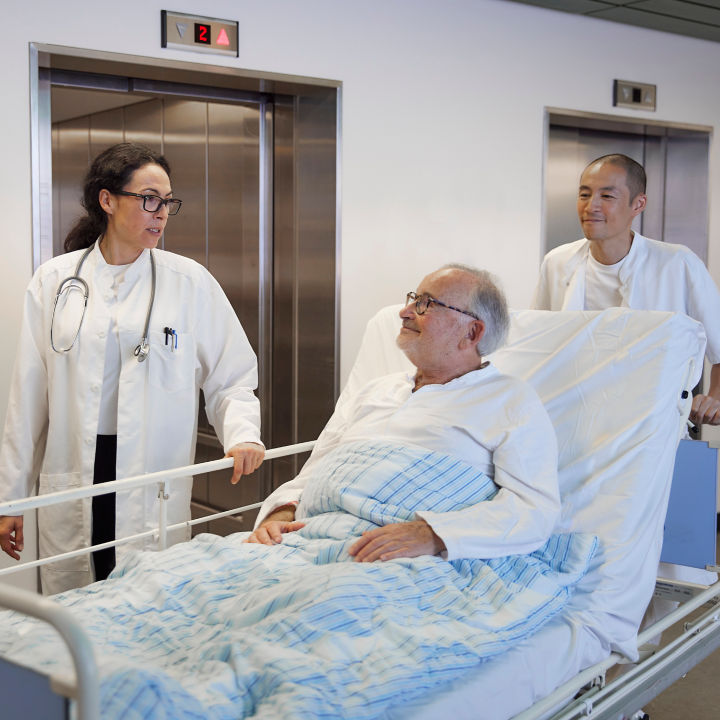
Hospital elevators are specially designed to transport patients, wheelchairs, stretchers, and medical equipment safely and comfortably.

These elevators prioritise:

     Smooth ride quality

     Precise floor levelling

     Reliable operation

     Accessibility

     Hygiene-friendly cabin designs

They play an essential role in supporting efficient movement within healthcare facilities.

Hotel Elevators

Hotels require elevators that combine performance with passenger comfort. Modern hotel elevators are designed to operate quietly, reduce waiting times, and complement the overall interior design of the property.

Many hotel projects also incorporate premium cabin finishes and smart destination management systems to improve the guest experience.

Industrial Elevators

Industrial elevators are built for factories, warehouses, and manufacturing facilities where heavy materials and equipment need to be transported safely.

These systems are engineered for durability, high load capacities, and reliable performance in demanding environments.

Construction Elevators

Construction elevators, also known as construction hoists, are temporary systems used during the construction phase of a building.

They transport workers, tools, and construction materials efficiently between floors, helping improve productivity while supporting safer site operations.

High-Rise Elevators

550G4096:760x428%2816-9%29

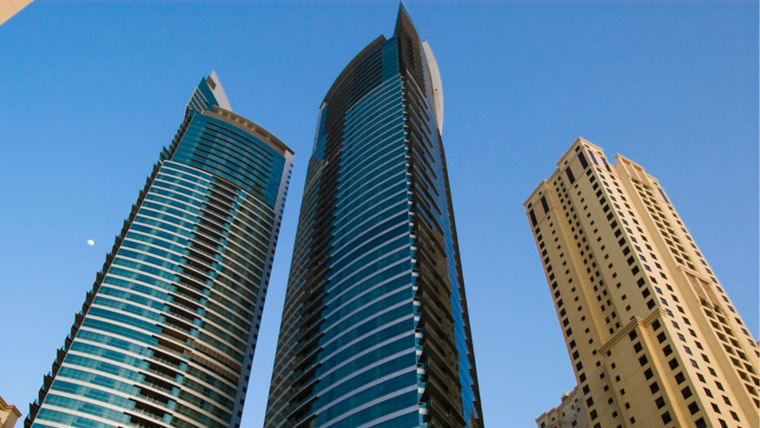
A high-rise elevator is designed for tall residential and commercial buildings where large numbers of people travel across multiple floors throughout the day. These systems use advanced traction technology, intelligent controls, and high-speed operation to reduce waiting times and improve passenger flow.

Modern high-rise elevators often include destination control systems, energy-efficient drives, and predictive monitoring to ensure reliable performance. Companies like KONE have also introduced dedicated high-rise elevator solutions that combine smart traffic management with connected services, making them well suited for premium office towers, hotels, and mixed-use developments.

Low-Rise and Mid-Rise Elevators

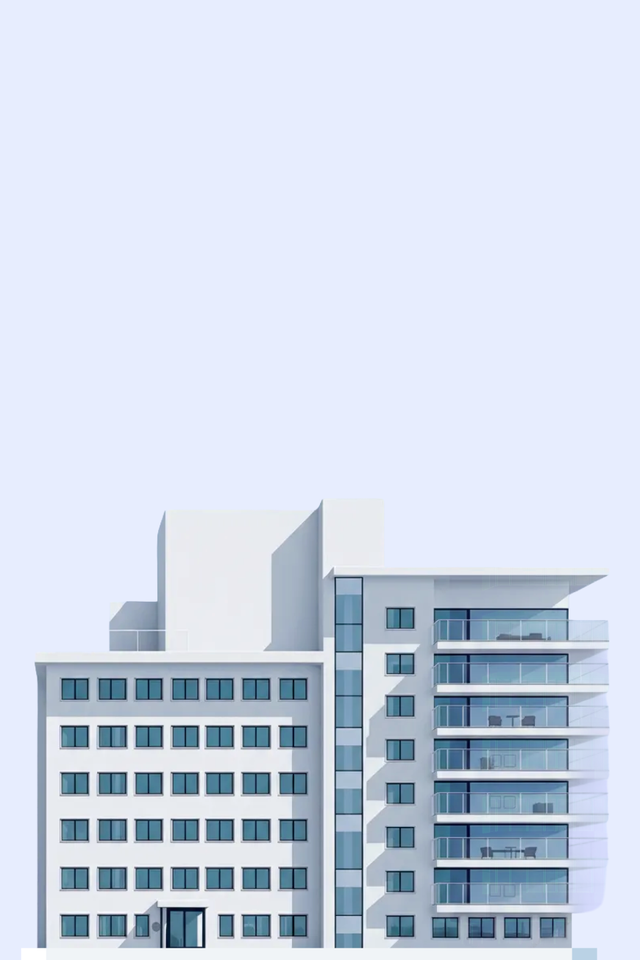
low-rise elevator  is commonly installed in buildings with fewer floors, such as apartment buildings, schools, healthcare facilities, and residential properties. These systems focus on comfort, accessibility, and cost-effective operation.

mid-rise elevator serves buildings with moderate traffic requirements, including hotels, offices, hospitals, and residential towers. Compared to low-rise systems, mid-rise elevators generally offer faster speeds, larger capacities, and more advanced control systems to manage passenger movement more efficiently.

Selecting the right elevator depends on the building's height, occupancy, and expected passenger traffic.

Smart Elevator Technology

Technology has transformed the way elevators operate, making them safer, more efficient, and easier to manage. Modern smart elevators go beyond transporting passengers by using digital technologies to improve performance throughout the elevator's lifecycle.

Predictive Maintenance

Rather than waiting for equipment to fail, modern elevators continuously monitor key components and identify potential issues before they become major problems. Predictive maintenance helps reduce unexpected breakdowns, minimise downtime, and extend the life of the equipment.

Solutions such as KONE Predictive Maintenance use connected technologies to provide real-time equipment insights, allowing maintenance teams to respond proactively and improve overall system reliability.

Connected Services

KONE-24-7-Connected-Services-elevator-graphics.print-1:760x428%2816-9%29

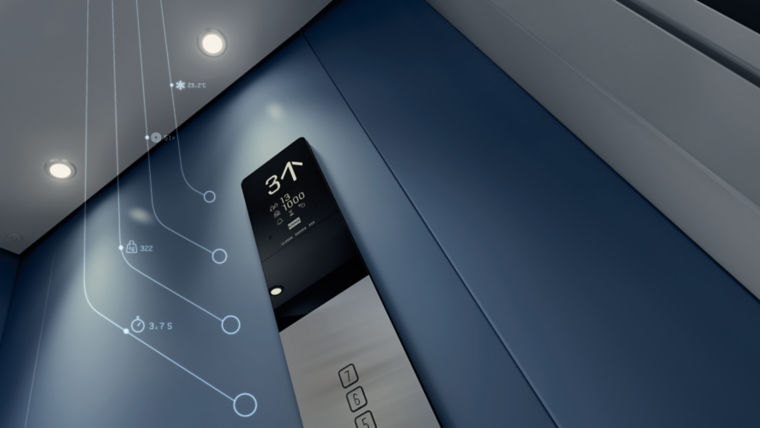
Connected elevator services allow building owners and facility managers to remotely monitor elevator health, maintenance schedules, and operational performance. This improves visibility across the building while enabling faster service responses and more efficient maintenance planning.

These digital services also help optimise elevator availability, particularly in high-traffic commercial and residential buildings.

AI-driven Traffic Management

Modern smart elevators use AI-driven traffic management systems to analyse passenger movement throughout the day. By grouping passengers travelling to similar floors and adapting to changing traffic patterns, these systems reduce waiting times, improve journey efficiency, and optimise overall building performance.

AI-powered traffic management has become especially valuable in office towers, airports, hotels, and other busy environments where efficient people flow is essential.

Conclusion

The wide variety of elevators available today means there is a solution for almost every type of building. From traction elevators, MRL elevators, and hydraulic elevators to specialised systems for hospitals, hotels, industrial facilities, and high-rise developments, each elevator is designed to address specific operational needs.

As buildings become smarter, technologies such as predictive maintenance, connected services, and AI-driven traffic management are helping improve safety, reliability, and passenger experience. By understanding the different types of elevators and where they are best suited, building owners and developers can select systems that deliver long-term performance, efficiency, and value.

FAQ

  • The most common elevator technologies include traction elevators, MRL (Machine Room-Less) elevators, and hydraulic elevators. Depending on the application, there are also residential, commercial, hospital, industrial, construction, low-rise, mid-rise, and high-rise elevator systems designed for different building requirements.

  • Residential buildings typically use traction, MRL, or hydraulic elevators, depending on the number of floors, available space, and budget. Machine Room-Less elevators have become increasingly popular because they save space while offering smooth, energy-efficient operation.

  • A hydraulic elevator uses a piston and hydraulic fluid to move the cabin, making it suitable for low-rise buildings. A traction elevator uses ropes or belts with a motor and counterweight, allowing higher speeds, greater travel distances, and better energy efficiency for mid-rise and high-rise buildings.

  • Traction elevators are generally the preferred choice for high-rise buildings because they support higher speeds, longer travel distances, greater passenger capacity, and advanced traffic management systems that improve people flow.

  • Modern elevators include emergency braking systems, door sensors, backup power, load monitoring, emergency communication devices, predictive maintenance technology, and intelligent monitoring systems that help improve passenger safety and operational reliability.

  • An MRL (Machine Room-Less) elevator is a traction elevator that does not require a separate machine room. It is popular because it saves valuable building space, improves energy efficiency, reduces construction requirements, and offers reliable performance for both residential and commercial projects.

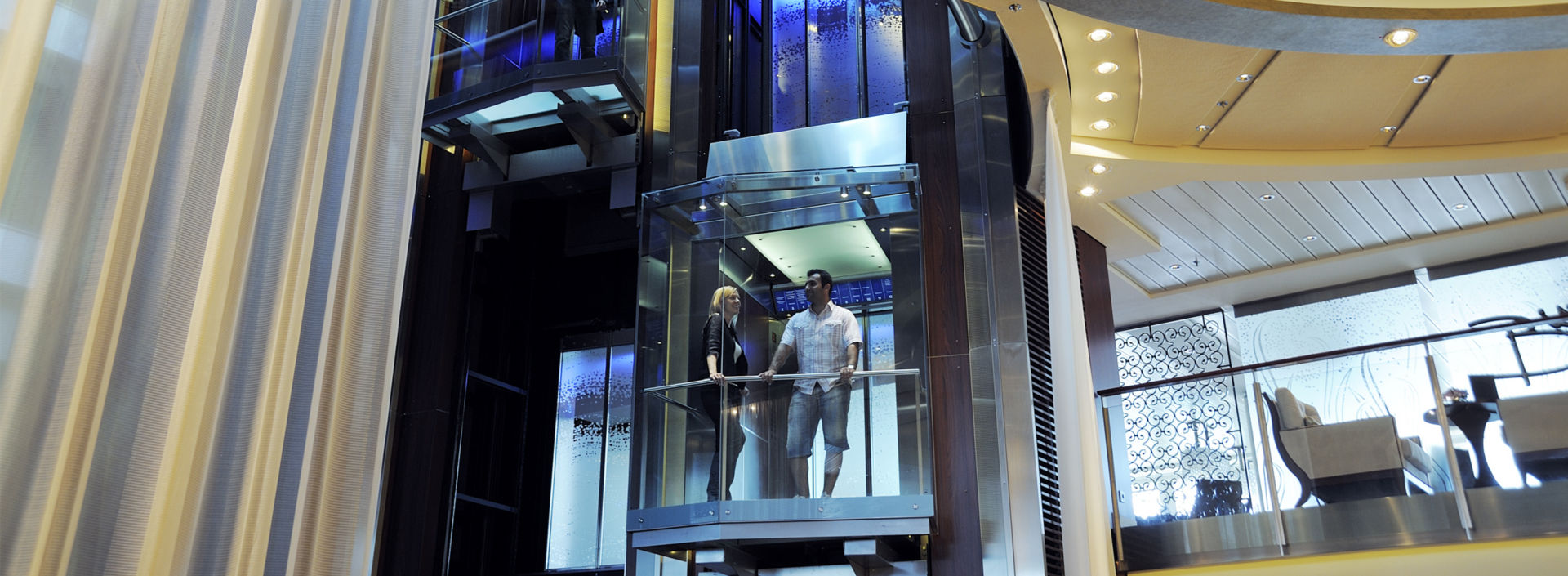
  • Modern buildings can choose from several premium elevator designs, including Glass (Panoramic) Elevators, Observation Elevators, Scenic Elevators, Luxury Elevators, and Capsule Elevators. These elevators combine functionality with aesthetics, offering panoramic views, premium cabin finishes, and distinctive architectural appeal while enhancing the overall passenger experience.