

Even a well-maintained elevator needs upgrade or replacement. Signs of wear and tear in it start to show around the 10-year mark. As the years rack up, parts like door mechanisms, call buttons, and lighting will need replacing.
Here are five common signs that an elevator is aging and may need maintenance or modernization:
- Frequent Breakdowns or Service Calls: If the elevator requires repairs often, it’s a clear indicator that components are wearing out.
- Slow or Jerky Movement: Older elevators may take longer to respond to calls or move unevenly between floors.
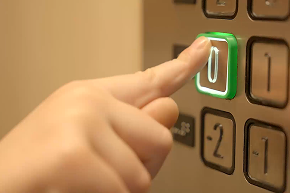
- Outdated Control Panels and Indicators: Analog buttons, worn-out displays, or lack of modern safety features suggest the system is old.
- Unusual Noises or Vibrations: Grinding, squeaking, or excessive vibration during operation often points to worn mechanical parts.
- Non-Compliance with Current Safety Standards: If the elevator lacks features like emergency communication systems or updated fire safety compliance, it’s likely outdated.
The need for elevator modernization is clear and non negotiable as safety of residents, tenants and users is paramount. This is also important because old elevators consume much higher energy and replacing them with smart, modern KONE elevators reduces energy consumption by up to 30%.
Learn more about KONE Modernization solutions