






In a high-rise building, elevators are among the most heavily used systems. Residents, office workers, visitors, and maintenance teams depend on them every day to move efficiently through the building. As buildings continue to grow taller, safety becomes an even more important consideration.
Modern high-rise elevator systems are designed with multiple layers of protection to ensure safe and reliable operation. From emergency braking systems to intelligent monitoring technology, today's elevators for high-rise buildings incorporate advanced safety features that help protect passengers while maintaining smooth performance.
Understanding these features can help developers, facility managers, and property owners make informed decisions when selecting or upgrading elevator systems.
Why Elevator Safety Matters in High-Rise Buildings
Unlike low-rise buildings, high-rise towers place greater demands on elevator systems. Elevators travel longer distances, carry larger numbers of passengers, and operate almost continuously throughout the day.
This means safety systems must be capable of responding quickly to emergencies, equipment failures, power interruptions, and changing traffic conditions.
A reliable high-rise elevator solution not only improves passenger confidence but also helps building owners meet safety regulations and operational requirements.
Emergency Braking Systems
One of the most important safety features in modern high-rise lifts is the emergency braking system.
These systems automatically activate if the elevator exceeds its designated speed or detects an abnormal operating condition. Modern safety brakes are designed to stop the elevator smoothly while preventing uncontrolled movement.
This technology has become a standard requirement in virtually all high-rise elevator installations.
Door Safety Sensors
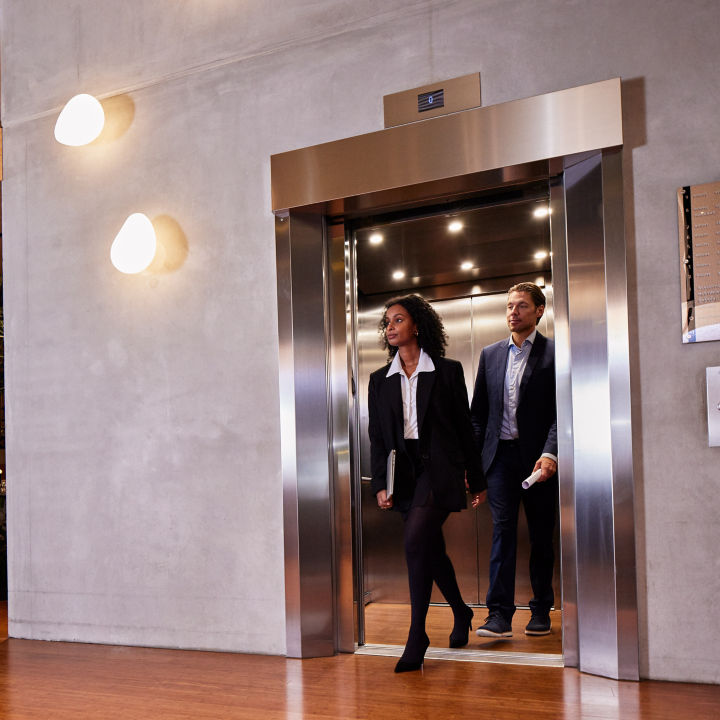
Door-related incidents are among the most common elevator safety concerns.
Modern lifts and elevators use advanced door sensors that detect people or objects in the doorway before the doors close. Infrared sensors create a protective curtain that prevents accidental contact and improves passenger safety.
These systems are especially important in busy office buildings, hotels, and residential towers where passenger traffic remains high throughout the day.
Backup Power and Emergency Rescue Features
Power interruptions can occur unexpectedly, making backup systems essential for high-rise buildings.
Modern elevators typically include emergency battery systems or backup power connections that allow the elevator to travel to the nearest floor and open its doors safely during a power outage.
Many newer high-rise elevator systems also include automatic rescue devices that help passengers exit safely without requiring immediate technician intervention.
Fire and Emergency Response Systems
Fire safety is one of the most critical aspects of elevator design in tall buildings.
Modern elevators are integrated with building fire alarm systems and are programmed to respond automatically during emergencies. Depending on local regulations, elevators may return to designated floors, prevent passenger operation, or switch to firefighter service mode.
These systems help ensure elevators support emergency response procedures while protecting occupants during evacuation events.
Intelligent Monitoring and Predictive Maintenance
Technology is transforming elevator safety in significant ways.
Many modern high-rise elevator solutions now include connected monitoring systems that track performance in real time. Sensors continuously monitor critical components and can detect potential issues before they become major problems.
This approach helps improve reliability and supports proactive elevator maintenance, reducing the likelihood of unexpected breakdowns.
Companies such as KONE have introduced predictive maintenance technologies that use connected systems to identify potential issues before they result in unexpected downtime. By continuously monitoring elevator performance, these solutions help improve reliability, support proactive maintenance, and enhance passenger safety. Learn more about KONE Predictive Maintenance
Load Monitoring Systems

Overloading can affect elevator performance and passenger safety.
Modern elevators include load-monitoring technology that measures cabin weight and prevents operation when capacity limits are exceeded. This helps protect both passengers and equipment while reducing unnecessary wear on mechanical components.
Proper planning of lift sizes and passenger capacity is also important during the design stage to ensure elevators can accommodate expected traffic levels safely.
Accurate Levelling Technology
Another important safety feature is precise floor levelling.
Modern systems ensure that elevator cabins stop accurately at floor level, reducing trip hazards when passengers enter or exit. This is particularly important in residential buildings, hospitals, and properties where accessibility is a priority.
Accurate levelling also improves comfort and contributes to a smoother passenger experience.
The Importance of Modernization

Many older elevators still operate safely, but technology has advanced significantly over the past two decades.
Through elevator upgrades and elevator modernisation, building owners can add modern safety features without replacing the entire system. Upgrades may include new controllers, door sensors, emergency communication systems, and advanced monitoring technology.
For older high-rise buildings, modernization can be an effective way to improve both safety and performance while extending equipment lifespan.
Beyond technology, a strong safety culture is equally important. Leading manufacturers such as KONE follow comprehensive safety practices across product design, installation, maintenance, and modernization to help ensure safe operation throughout an elevator's lifecycle. Read more about KONE's approach to safety
Conclusion
Safety remains the foundation of every successful high-rise elevator system. From emergency braking and fire-response systems to predictive monitoring and advanced door protection, modern elevators are designed with multiple layers of safety working together at all times.
For building owners and facility managers, investing in proper maintenance, modernization, and high-quality equipment is essential for ensuring reliable performance and passenger confidence. As high-rise buildings continue to evolve, safety technology will remain one of the most important factors shaping the future of vertical transportation.