



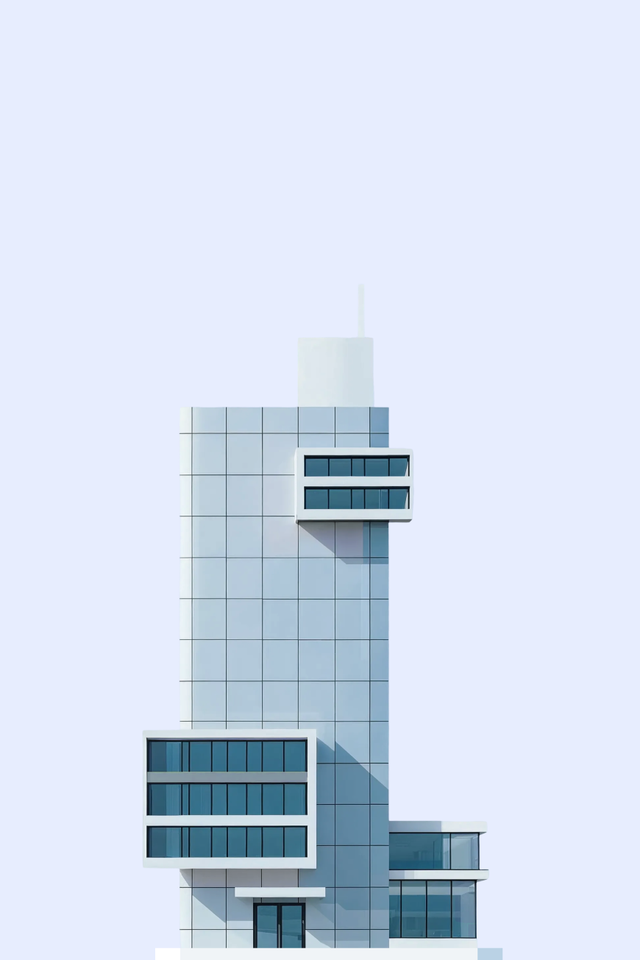








Not all elevators are designed to serve the same type of building. An elevator that works perfectly in a three-storey residential property may not be suitable for a 40-storey commercial tower. As buildings become taller, elevator requirements change significantly in terms of speed, capacity, technology, and traffic management.
This is why elevator systems are often categorized according to the type of building they serve. Understanding the differences between high-rise, mid-rise, and low-rise elevators can help developers, architects, and property owners choose the most efficient solution for their project.
Low-Rise Elevators
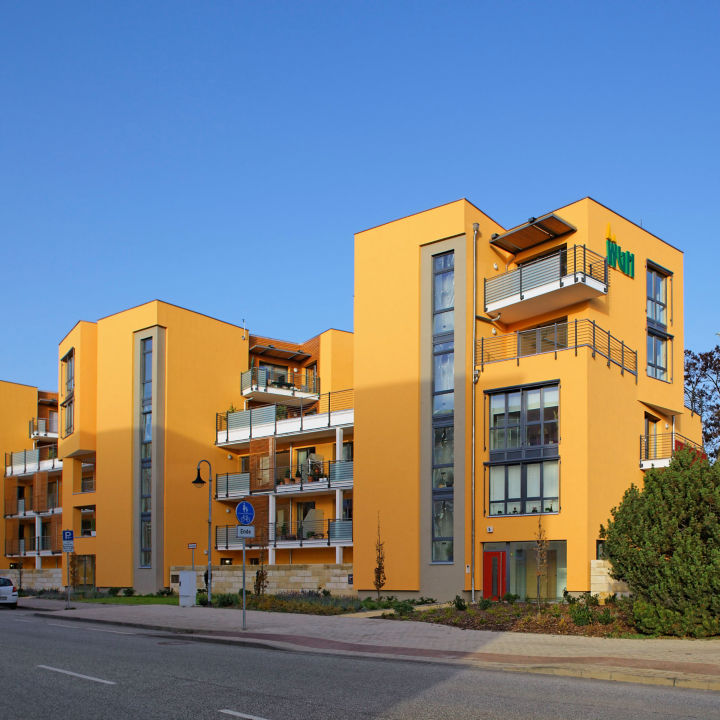
A low-rise elevator is typically used in buildings with up to five or six floors. These elevators are commonly found in residential apartments, villas, schools, small offices, and healthcare facilities.
A low-rise residential elevator usually prioritizes comfort, accessibility, and cost-effectiveness rather than speed. Since travel distances are relatively short, these systems operate at moderate speeds and require simpler control mechanisms.
Common benefits of a low-rise lift include:
● Lower installation costs
● Reduced maintenance requirements
● Compact design options
● Easy integration into residential buildings
Hydraulic and machine room-less traction elevators are commonly used in low-rise applications.
Mid-Rise Elevators

As buildings grow taller, traffic demands become more complex. A mid-rise elevator is typically installed in buildings ranging from six to fifteen floors.
These systems are commonly used in:
● Residential towers
● Hotels
● Hospitals
● Commercial offices
● Educational institutions
A mid-rise lift must balance speed, capacity, and efficiency while managing moderate passenger traffic throughout the day.
Unlike low-rise systems, mid-rise elevators often use traction technology because it offers better energy efficiency and improved performance over longer travel distances.
Modern mid-rise elevator solutions may also include intelligent controls that reduce waiting times and improve passenger movement during busy periods.
High-Rise Elevators

A high-rise elevator is designed for buildings with significantly greater travel distances and passenger volumes. These elevators are commonly used in skyscrapers, premium residential towers, commercial office buildings, and mixed-use developments.
Unlike low-rise and mid-rise systems, elevators for high-rise buildings must move passengers quickly and efficiently while maintaining ride comfort and safety.
High-rise systems often include:
● High-speed traction technology
● Advanced traffic management
● Destination control systems
● Predictive maintenance solutions
● Energy-efficient drive systems
Because elevator performance directly affects the user experience in tall buildings, developers often invest heavily in advanced high-rise elevator solutions during the planning stage.
Companies such as KONE have developed specialized high-rise technologies that combine speed, energy efficiency, and smart building integration to support the growing demands of vertical urban development.
Key Differences Between High, Mid, and Low-Rise Elevators
Speed
Speed is one of the most noticeable differences.
A low-rise elevator typically travels at lower speeds because of shorter travel distances.
A mid-rise elevator requires higher speeds to improve efficiency across more floors.
A high-rise elevator is specifically engineered for rapid vertical transportation and may travel several times faster than low-rise systems.
Capacity
Passenger capacity generally increases with building height.
Low-rise systems are designed for smaller passenger volumes, while high-rise elevators must accommodate significantly larger numbers of people throughout the day.
Technology
The technology used also differs considerably.
Low-rise elevators often rely on simpler control systems, while high-rise elevators use sophisticated traffic management software and smart monitoring technology to improve performance.
Traffic Management
Passenger flow becomes increasingly important as buildings grow taller.
Modern high-rise lifts often use destination dispatch systems that group passengers travelling to similar floors. This reduces waiting times and improves overall building efficiency.
Choosing the Right Elevator Type

Among the various types of elevators, the ideal solution depends on:
● Building height
● Passenger traffic
● Available space
● Budget
● Energy-efficiency goals
A low-rise system may be sufficient for a residential property, while a commercial tower may require multiple high-speed elevators supported by intelligent traffic management systems.
Selecting the right elevator type early in the design process can help improve building performance and reduce long-term operating costs.
Conclusion
The differences between high-rise, mid-rise, and low-rise elevators go far beyond building height. Each system is designed to meet specific performance, capacity, and traffic requirements.
Low-rise elevators focus on accessibility and simplicity, mid-rise systems balance efficiency and capacity, while high-rise elevators prioritize speed, technology, and passenger flow management.
As buildings continue to grow vertically, choosing the right elevator solution has become a critical part of creating safe, efficient, and future-ready spaces.