








As cities continue to grow vertically, the role of elevators in modern buildings has become more important than ever. In a high-rise tower, elevators are not simply a convenience. They are a critical part of how people move through the building every day.
Whether it's a commercial office tower, residential skyscraper, hotel, or mixed-use development, selecting the right elevators for high-rise buildings can directly impact passenger experience, building efficiency, energy consumption, and long-term operating costs.
With multiple technologies and configurations available, choosing the right high-rise elevator requires careful planning and a clear understanding of the building's needs.
Why Elevator Selection Matters in High-Rise Buildings
Unlike low-rise buildings, high-rise towers depend heavily on efficient vertical transportation. Poorly planned elevator systems can lead to long waiting times, congestion during peak hours, and higher operational costs.
A well-designed high-rise elevator system helps:
● Reduce passenger waiting times
● Improve traffic flow
● Increase tenant satisfaction
● Enhance energy efficiency
● Support long-term building performance
For developers, elevator planning is often one of the most important decisions made during the design stage.
Consider Building Height and Traffic Patterns

The first step in choosing the right elevator system is understanding how the building will be used.
A residential tower has very different traffic requirements from a commercial office building. Hotels, hospitals, and mixed-use developments also have unique movement patterns that influence elevator design.
Traffic studies help determine:
● Passenger volumes
● Peak-hour demand
● Travel distances
● Required elevator capacity
These factors influence the number of elevators needed and the type of technology best suited to the project.
During the planning stage, developers can also use digital tools such as KONE Studio to visualize elevator interiors, compare finishes, and explore design options before installation. This makes it easier to align the elevator design with the overall aesthetics and functional requirements of the building. Learn more about the KONE Studio elevator planning solution and access the interactive elevator design tool to create and customize your elevator specifications.
Prioritize High-Speed Performance
One of the defining characteristics of a modern high-rise elevator is speed.
In taller buildings, elevators must move passengers quickly without compromising comfort or safety. This is where a high speed elevator becomes essential.
Modern high-speed systems are designed to:
● Reduce travel times
● Minimize waiting periods
● Improve passenger comfort
● Handle peak-hour traffic efficiently
Advanced motion control systems also help reduce vibration and noise, creating a smoother ride experience for occupants.
Look for Smart Elevator Technology
Technology is transforming the way elevators operate.
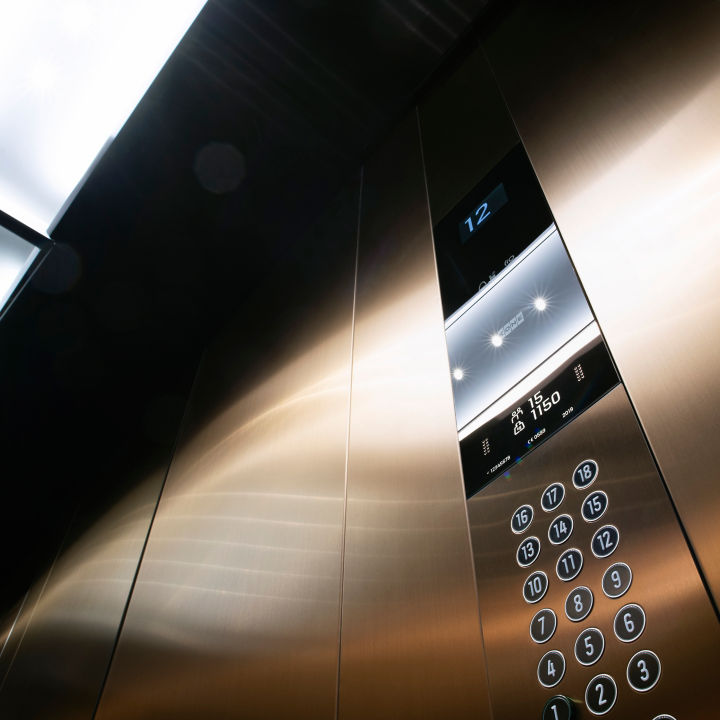
A modern smart elevator uses intelligent software and connected systems to improve efficiency and passenger flow. These systems can analyse traffic patterns, group passengers travelling to similar floors, and reduce unnecessary stops.
Smart elevator technology offers several advantages:
● Better traffic management
● Reduced waiting times
● Improved energy efficiency
● Enhanced user experience
Many premium developments now consider smart elevator systems an essential part of modern building infrastructure.
Evaluate Energy Efficiency
Energy consumption is a major consideration in high-rise developments because elevators operate throughout the day.
Modern high-rise elevator solutions often include:
● Regenerative drives
● LED lighting
● Standby modes
● Intelligent power management systems
These features help reduce electricity consumption while supporting sustainability goals.
Companies such as KONE have developed energy-efficient elevator technologies specifically designed for high-rise buildings. Their high-rise solutions combine smart traffic management, predictive maintenance, and efficient drive systems to improve both performance and sustainability.
Choose the Right Elevator Type
There are several types of elevators available, but traction technology remains the preferred choice for most high-rise applications.
Traction elevators use ropes or belts connected to a motor and counterweight system, allowing them to travel greater distances at higher speeds than hydraulic systems.
For tall buildings, traction technology offers:
● Faster travel speeds
● Greater energy efficiency
● Higher passenger capacity
● Better long-term reliability
This is why most modern skyscrapers and commercial towers rely on traction-based systems.
Consider Maintenance and Future Scalability

A high-rise building depends heavily on elevator reliability. Even minor disruptions can affect hundreds or thousands of occupants daily.
When evaluating elevators, developers should consider:
● Maintenance support
● Spare parts availability
● Remote monitoring capabilities
● Predictive maintenance technology
Modern connected systems can identify potential issues before they lead to breakdowns, helping reduce downtime and improve long-term performance.
Future growth should also be considered. A system that meets today's needs may require expansion or upgrades as building occupancy changes over time.
Conclusion
Choosing the right elevators for high-rise buildings requires more than simply selecting the fastest option. Developers must consider building height, passenger traffic, energy efficiency, technology integration, and long-term maintenance requirements.
From high speed elevator systems to advanced smart elevator technologies, modern solutions are designed to improve passenger movement while supporting the performance goals of the building.
With proper planning and the right high-rise elevator solutions, developers can create buildings that deliver a safer, faster, and more efficient experience for occupants for many years to come.