









Lift Modernization vs Lift Replacement: Which is Better?

Lift Modernization vs Lift Replacement: Which is Better?

Published Mar-01-2026

As buildings get older, lift systems often become slower, less reliable, and more expensive to maintain. Property owners eventually face an important decision: should they invest in lift modernization, whether through a lift upgrade or a complete lift replacement, to improve performance, safety, and reliability?

Both options improve safety, performance, and passenger experience, but they solve different problems. In many buildings, especially residential towers and commercial properties built 15-25 years ago, aging lifts may still function but struggle with rising maintenance costs, outdated technology, and inefficient operation.

Today, many developers and facility managers are upgrading lift systems to improve reliability, reduce downtime, and support mWhen Should You Choose Lift Modernization? odern building expectations. Companies such as KONE Elevator India now offer modernization and replacement solutions designed for residential, commercial, hotel, and high-rise properties.
Lift Modernization vs Lift Replacement: Which is Better?

KSEA_MonoSpace_Upgrade_Over15years_email1-3_header_02:640x320

What is Lift Modernization?

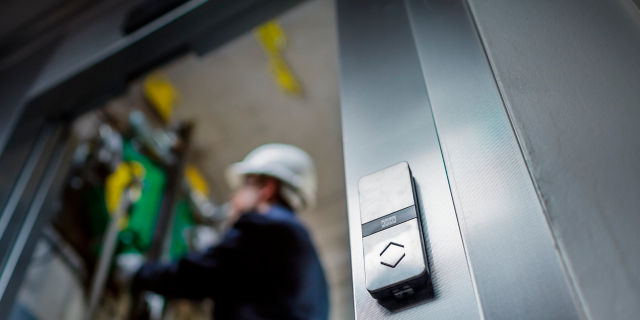
Lift modernization involves upgrading important parts of an existing lift system without replacing the entire structure.

  • Modernization may include:
  • Upgrading control systems
  • Replacing worn lift components
  • Improving cabin interiors
  • Adding newer safety systems
  • Enhancing ride comfort
  • Installing energy-efficient technology

In many cases, modernization helps extend the lifespan of the lift while avoiding the cost and disruption of a full replacement.

Lift Modernization vs Lift Replacement: Which is Better?

Kone_Voyez_Vous_Jean_Michel_Roche_4521:640x320

What is Lift Replacement?

A complete lift replacement involves removing the old lift system and carrying out a full new lift installation using modern equipment and technology.

  • Removal of the old system
  • Structural preparation
  • Installation of new machinery and cabins
  • Electrical upgrades
  • Testing and certification

Replacement is generally recommended when the existing lift has become structurally outdated or too expensive to maintain.

Lift Modernization vs Lift Replacement: Which is Better?

Lift Modernization vs Lift Replacement: Which is Better?

Lift Modernization vs Lift Replacement

One of the biggest advantages of modernization is cost efficiency. The lift modernization cost is usually lower because the existing structure is retained while only critical systems are upgraded.

For buildings where the shaft and structural framework are still in good condition, modernization often provides strong value without requiring extensive civil work.

Replacement, however, becomes more practical when:

  • The lift is over 25–30 years old
  • Breakdowns happen frequently
  • Spare parts are difficult to source
  • Major safety concerns exist
  • Building usage has changed significantly

A full new lift installation usually provides the highest level of performance, efficiency, and long-term reliability, but it also involves higher investment and longer downtime.

Lift Upgrade Benefits

One reason many property owners prefer modernization is because it improves performance without major disruption to building operations.

Lift Modernization vs Lift Replacement: Which is Better?

KN_HIRCOCHENN_IND10-5935-1:667x424

Some key lift upgrade benefits include:

Better Safety

  • Modern systems include updated safety technology such as:
  • Emergency rescue devices
  • Door safety sensors
  • Backup power systems
  • Emergency communication systems

These lift safety improvements help buildings meet current standards while improving passenger confidence.

Lift Modernization vs Lift Replacement: Which is Better?

Lift Modernization vs Lift Replacement: Which is Better?

Lower Operating Costs

Modernized lifts generally use less electricity because they include:

  • Energy-efficient motors
  • Regenerative drives
  • LED lighting
  • Smarter control systems

Many newer upgrades now focus heavily on energy efficient lifts, especially in commercial buildings where systems run continuously throughout the day.

Reduced Downtime

Modern systems are typically more reliable and easier to maintain. Many companies now offer predictive maintenance technology that helps identify issues before major breakdowns occur.

Lift Modernization vs Lift Replacement: Which is Better?

Technician-with-customer:667x424

Understanding the Lift Installation Process

The lift installation process usually begins with a structural inspection of the building. Engineers evaluate:

  • Shaft dimensions
  • Passenger requirements
  • Safety standards
  • Building layout

Once planning is completed, installation teams assemble the machinery, connect electrical systems, and perform safety testing before final certification.

For high-rise projects and premium residential developments, companies like KONE also offer customized lift solutions designed around passenger flow, energy efficiency, and smart building integration.

Lift Modernization vs Lift Replacement: Which is Better?

Lift Modernization vs Lift Replacement: Which is Better?

Cost Comparison

Cost is often the deciding factor for property owners.

In general:

  • Partial modernization costs less than full replacement
  • Replacement provides longer lifespan and newer technology
  • Modernization causes less disruption during upgrades

The overall new lift installation cost depends on:

  • Number of floors
  • Lift capacity
  • Building structure
  • Customization requirements

Similarly, the lift modernization cost depends on the number of components being upgraded and the age of the existing system.

Choosing the Right Lift Company

Selecting the right Lift company is just as important as choosing between modernization and replacement.

A reliable company should provide:

  • Experienced technicians
  • Long-term maintenance support
  • Spare parts availability
  • Safety compliance expertise
  • Strong after-sales service

Many established providers now offer complete lift services, including modernization, replacement, maintenance, and predictive monitoring solutions.

Which Option Is Better?

For many residential and mid-rise commercial buildings, modernization often delivers the best balance between cost and performance. It improves safety, efficiency, and passenger comfort without requiring a full replacement.

However, when systems become too outdated or structurally unreliable, a complete new lift installation may offer stronger long-term value.

The right decision ultimately depends on the condition of the lift, building requirements, and long-term operational goals.

Conclusion

Choosing between lift modernization and lift replacement is not simply about repairing old equipment. It is about improving safety, reducing operational costs, and ensuring long-term reliability for the building.

If the existing structure is still in good condition, modernization often provides strong value through lower costs and faster upgrades. But for older systems with frequent breakdowns and outdated technology, replacement may be the better long-term investment.

With smarter technology, improved safety systems, and growing demand for energy efficiency, both modernization and replacement are becoming important parts of how modern buildings plan future-ready mobility systems.

Frequently Asked Questions

  • Modernization is usually recommended when the lift structure is still in good condition but performance, safety, or efficiency needs improvement.

  • Yes. Modernization upgrades safety systems, improves ride comfort, reduces downtime, and enhances overall reliability.

  • In many cases, yes. Updated lifts improve building perception, tenant satisfaction, and operational efficiency, which can positively affect property value.

  • Modernized systems are generally more reliable and energy-efficient, which helps reduce repair frequency and long-term maintenance expenses.

  • Yes. Many residential buildings choose modernization because it improves safety and comfort without the higher cost of complete lift replacement.